Dr. Vinayak Damodar Savarkar — The Underrated Colossus of Bharat's Freedom Struggle 🇮🇳
🇮🇳 "Hinduization of politics and militarization of Hindus." — Veer Savarkar 🔥
📖 How It All Began — The Invitation
I was invited to give a session on Dr. Vinayak Damodar Savarkar (Veer Savarkar) — a figure whose legacy is viewed differently depending on which faction you belong to (be it extreme left or be it extreme right). Once told I really had less time to prepare but I left no stone unturned — bought a detailed book and a comic on him too in Amar Chitra Katha. Ended up reading both of them, and here is my take on Veer Savarkar.
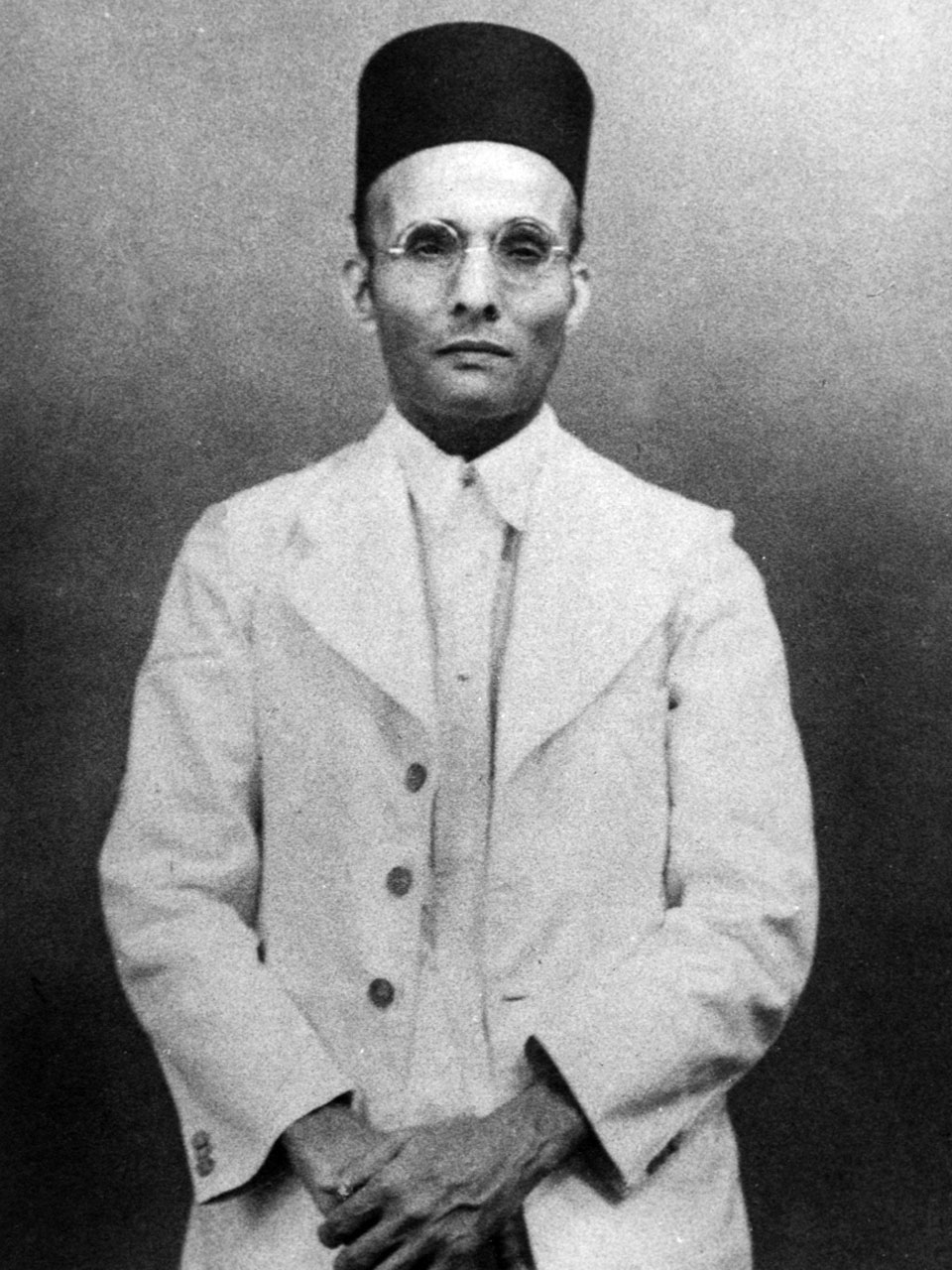
Swatantrya Veer Savarkar
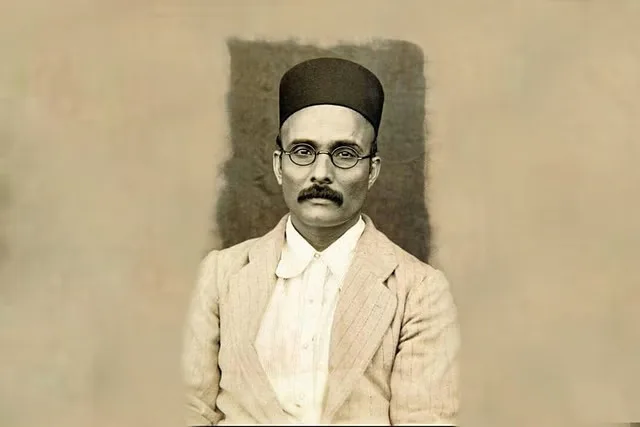
Savarkar Jayanti — The Revolutionary's Legacy
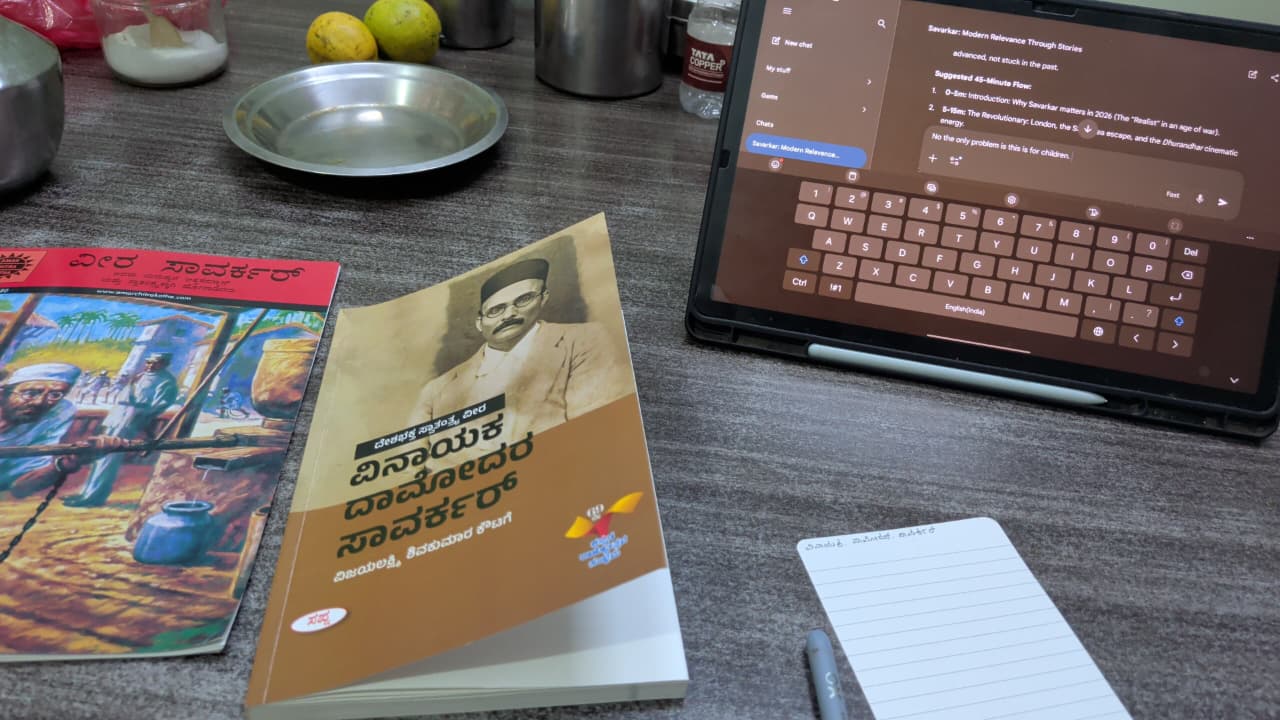
Books that shaped this take
🌟 Early Life — The Making of a Revolutionary
Like we all know he was born in 1883 May 28th, his father was Damodar Savarkar and mother Radhabai in Bhagooru, Nasik District, Maharashtra.
⚡ The Spark — Chapekar Brothers
A very smart and intelligent boy, Savarkar among his brothers was very much inspired by the Chapekar Brothers' mutiny against the East India Company — the second big revolt for independence post 1857's First War of Indian Independence. Post their imprisonment and death at the hands of the Brits, he started something called Mitra Mela which then became the Abhinava Bharata Society (Young India Society).
With the help of Lokamanya Bala Gangadhar Tilak he could complete his degree in Pune University and with the help of a scholarship/sponsorship from Tilak Ji could go on to London to pursue Law.
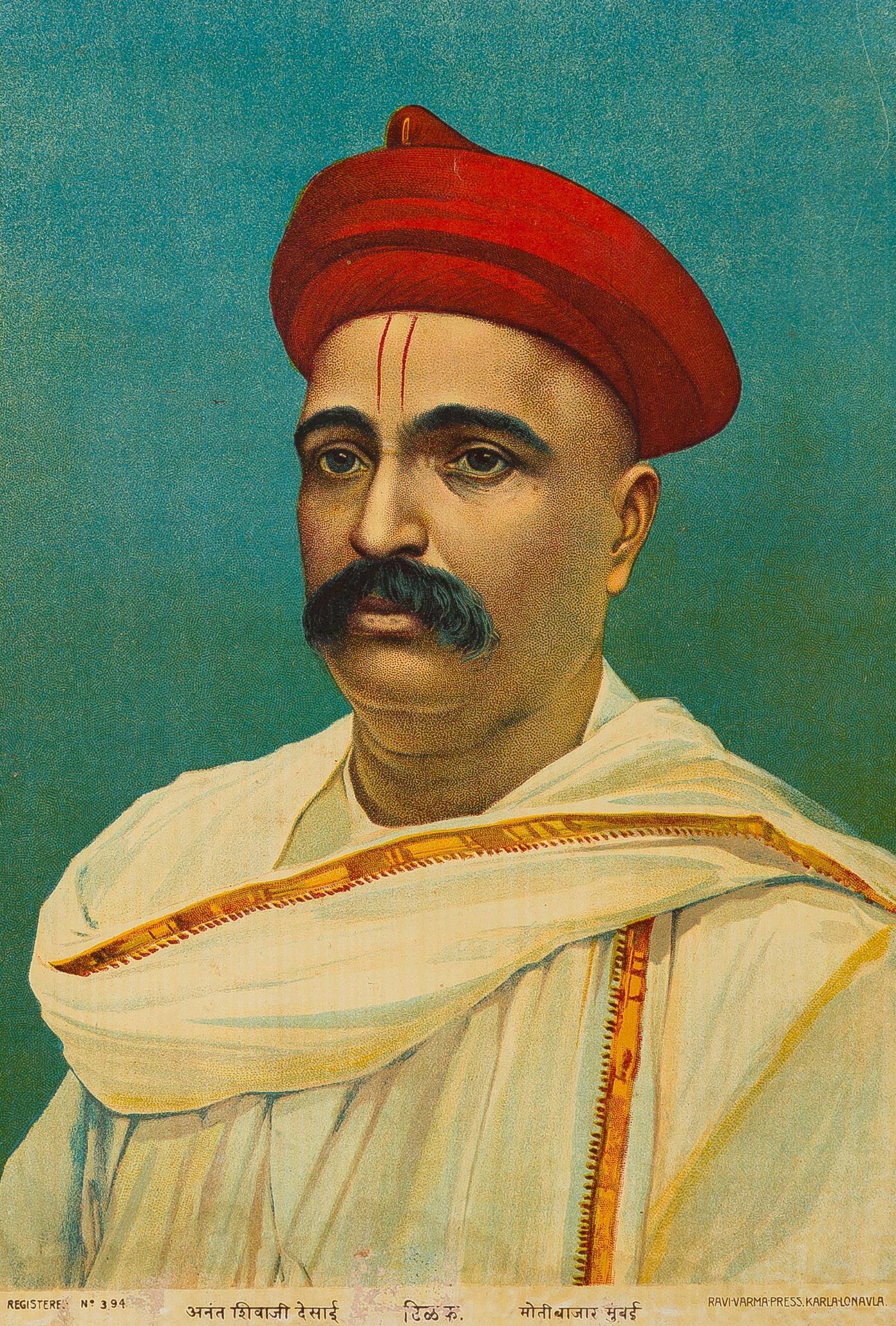
Lokamanya Bal Gangadhar Tilak — Savarkar's mentor and sponsor
🏴 London Years — Stoking the Fire of Revolution
Also associated with the revolutionaries at the India House in London, in collaboration with Madam Bikaji Kama and Panduranga Mahadeva Bapat, he instigated the movement for Bharat's freedom in many ways.
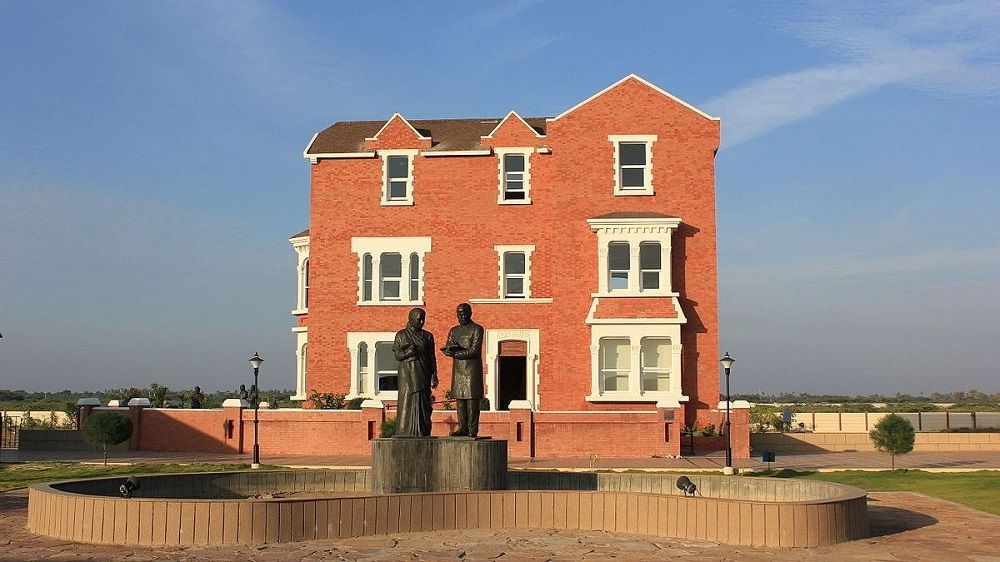
India House, London — the nerve centre of India's revolutionary movement abroad
📚 The Smuggled Book — "The Indian War of Independence 1857"
What's interesting is this book he wrote — was not even allowed to be published in England (the Brits were scared) of such literature, but Savarkar Ji found his way by masking the book cover with other titles like Don Quixote, The Pickwick Papers, and Oliver Twist and silently smuggled it to Bharat. In Bharat this literature was consumed by the likes of Bhagat Singh — and Netaji Subhash Chandra Bose even got this book printed in multiple copies for his Army when in Japan.
He also established the Free India Society in 1906. He also got his hands through Bapat Ji on some bomb making manuals, who he instructed his partners and followers to set up bomb making factories all over Bharat before igniting the first one.
⛓️ Arrest, Trial & The Daring Escape
All through this, when the Brits got information on Savarkar Ji's activities by our very own people who have been betraying us time and time again, he was arrested on March 13, 1910.
Post his arrest for trials he had to be shifted to Bharat, where he tries to bravely make an attempt to escape — and to his credit would be almost successful in doing so but unfortunately gets caught again.
⚖️ The Verdict — Two Life Sentences
In Bharat he gets convicted as a political criminal in courts and will be convicted for Lifetime (50 years) imprisonment and extradition out of Bharat. A punishment unprecedented in the history of colonial India — two consecutive life sentences for one man.
🏝️ Kaala Paani — The Black Water
He would face a very cruel time in Andaman and Nicobar Island's jail called Black Water (Kaala Paani) for 10 years and will luckily be shifted to other jail at Ratnagiri amid political pressure.
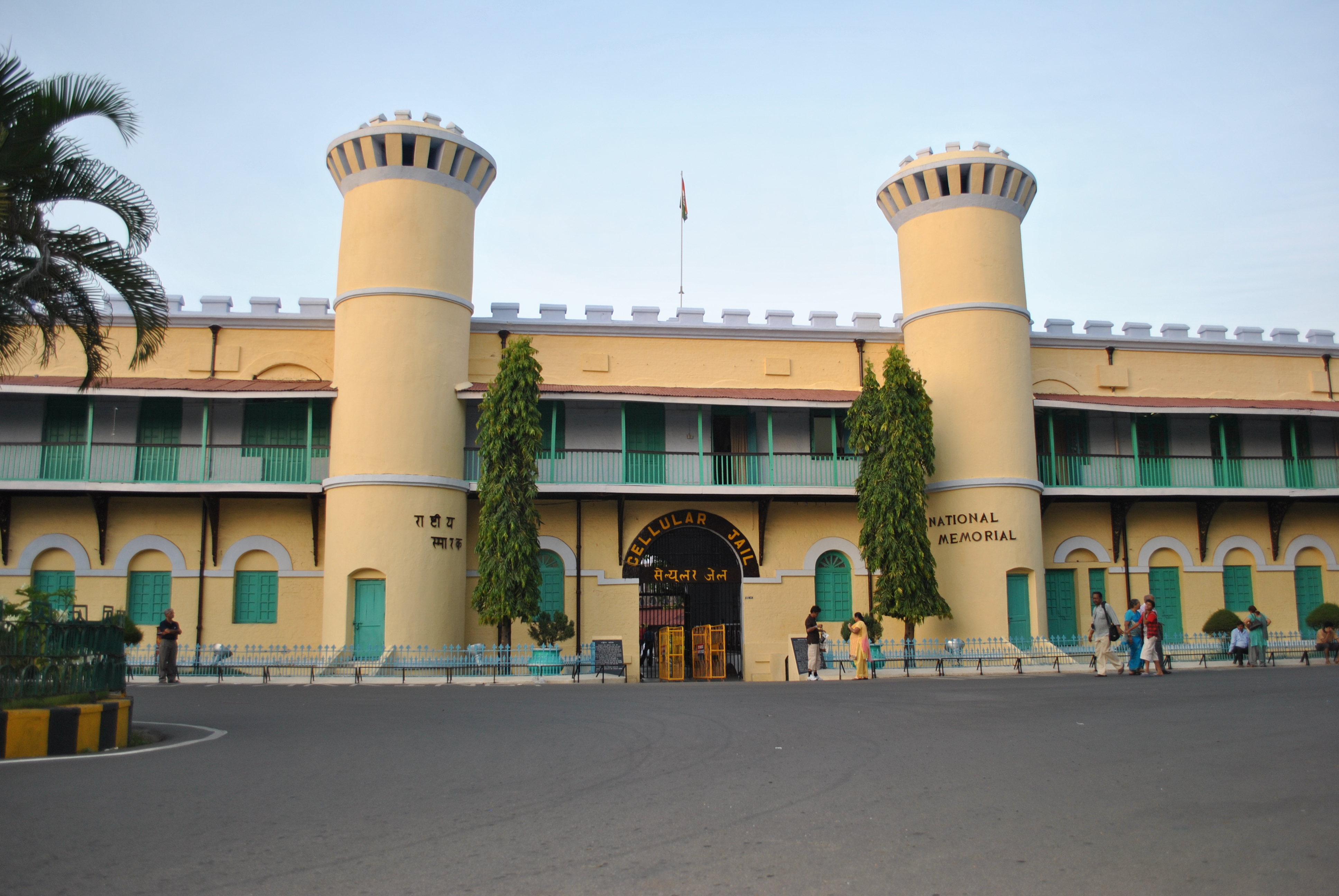
Cellular Jail, Andaman — Kaala Paani, where Savarkar was imprisoned for 10 years
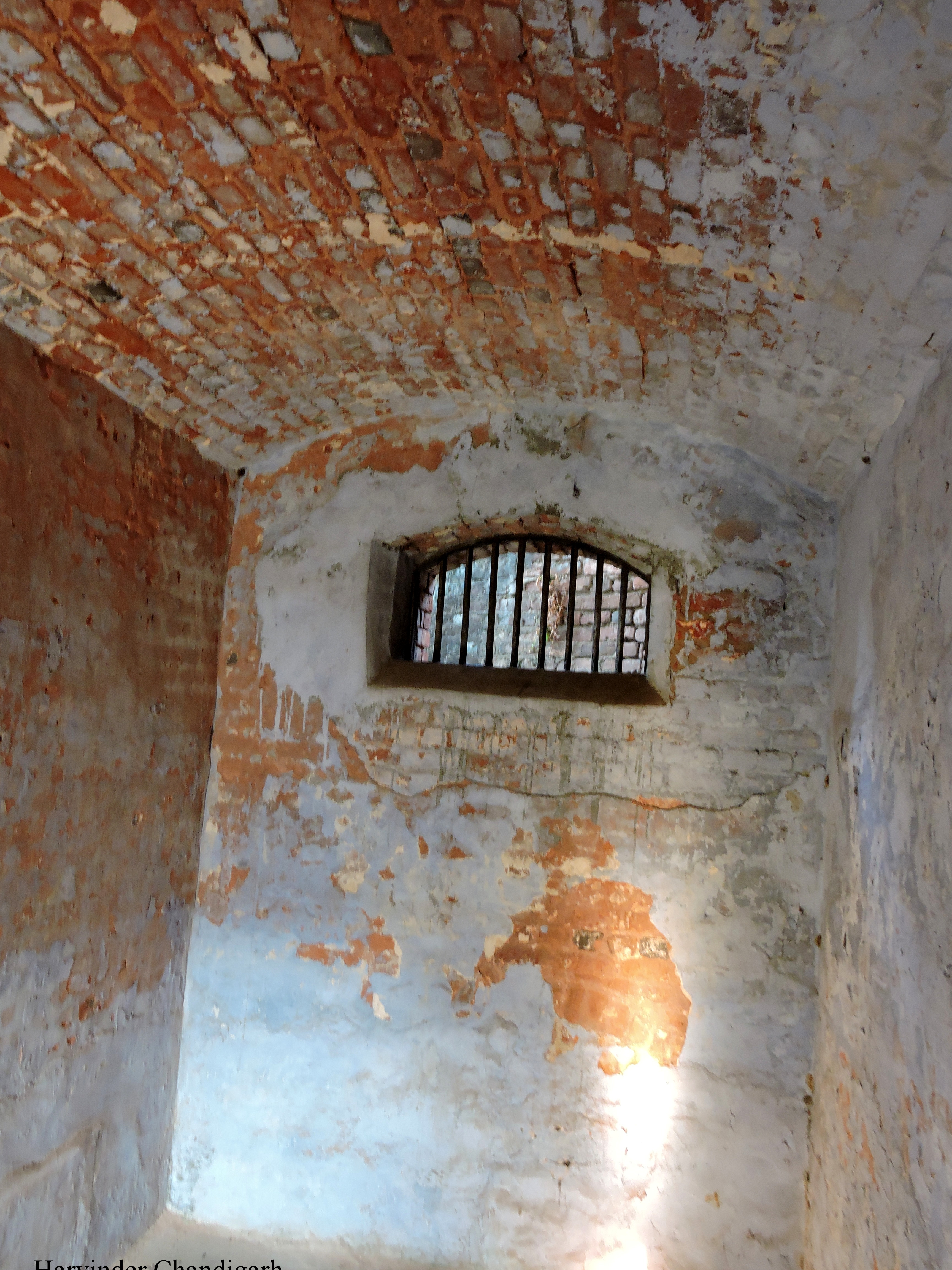
Inside the Cellular Jail — solitary cells designed to break the spirit
He faces some really bad and unbearable pain and punishment during his days in the jail, but the patriot in him keeps him focused on his ultimate purpose which would be Swarajya and Swatantrya.
🌅 Return to Ratnagiri — Social Reform & Resilience
On coming back to Ratnagiri in 1924 where he gets some freedom — not completely — he establishes the Patita Pavana Mandir for the untouchables community to oppose this discrimination in our society in 1931.
🙏 Patita Pavana Mandir — A Temple for All
In a deeply casteist society, Savarkar's decision to build a temple open to all Hindus regardless of caste was a radical act of social reform. He was decades ahead of his time in fighting untouchability — even before it became mainstream political discourse.
He also becomes the President of Hindu Mahasabha from 1937 to 1942.
🤝 The Historic Meeting with Netaji
In 1940 he meets Netaji and has a conversation. Netaji says all the statues and monuments of the Brits established in Bharat must be demolished and asks Savarkar Ji if it was the right move.
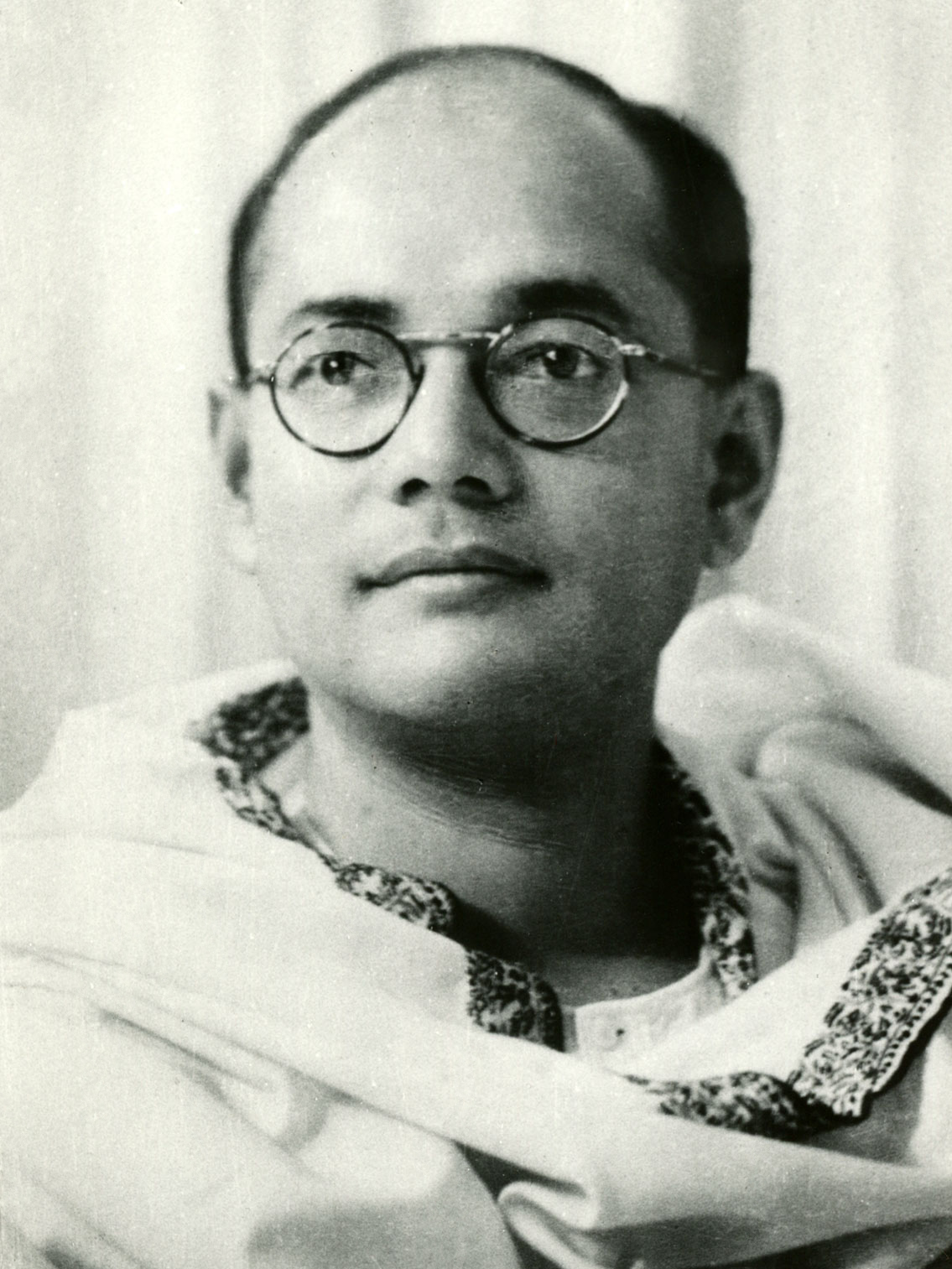
Netaji Subhash Chandra Bose — Commander of the Indian National Army
💡 The Counsel that Shaped the INA
But Savarkar Ji refuses Netaji's proposal — saying he would get absolutely nothing by doing this. Instead he asks him to try for a partnership with the enemy countries of the Brits — upon whose suggestion Netaji's INA (Indian National Army) will be formed and trained in Japan. A piece of counsel that changed the course of India's independence movement.
🏛️ Post-Independence — Wrongful Charges & Final Years
Further, post independence he again gets arrested wrongfully — blamed for the assassination of Gandhi Ji in 1948 along with RSS Sarasanghachalak Golwalkar Ji — who got released upon disproving this conviction in 1949.
🎓 Honours — Better Late Than Never
- 1958 — Amruta Mahotsava organized on his 75th birthday, honouring his contributions
- 1958 — Honorary Doctorate from Pune University for his great work during the freedom struggle
- 1960 — His withheld BA degree finally awarded by Mumbai University — 50+ years late
By then he would have a son and a daughter and a grandson and granddaughter. In 1965 he loses his wife Yamuna and in another year he too reaches the abode.
Veer Savarkar — His legacy lives on
🪔 My Reflections — What I Learnt from Savarkar Ji
"The Hindu himself is the greatest enemy of the Hindu."
— Dr. Vinayak Damodar Savarkar
A piercing indictment of internal divisions — caste prejudice, untouchability, and factionalism — that he saw as the single greatest obstacle to Hindu unity and Bharat's civilizational resurgence. He didn't say this to shame, but to awaken.
🇮🇳 The Lessons of a Giant
- His commitment towards getting freedom
- Mental strength and resilience despite all the severe brutal prison punishment
- His love towards the nation
- His forward thinking ability
- His sacrifice — literally an entire life
- A politically very apt ideology towards saving and growing our civilizational heritage
- His selfless work with no intention to publicise
What I learnt and got from Savarkar Ji is his commitment towards getting freedom, mental strength resilience despite all the severe brutal prison punishment, his love towards nation, forward thinking ability, his sacrifice (literally entire life) and politically very apt ideology towards saving and growing our civilizational heritage, and his selfless work with no intention to publicise.
His sacrifice is irreplaceable and I feel he is one of the underrated freedom fighters who is starting to get his fair share of lauds off-late, when the leftist propaganda is being exposed left right and center.
🙏 Jai Hind. Vande Mataram.
The least we can do is remember, honour, and tell the story of those who gave everything. 🇮🇳